Downsizing in Vancouver: An Interior Designer’s Guide to a Smaller Home That Feels Like You
Downsizing isn't about fitting less stuff into a smaller footprint - it's a design decision, not a moving-day math problem.
Most people downsizing in Vancouver right now are leaving a paid-off character home in Dunbar, Kerrisdale, or Point Grey for a two-bedroom condo in the West End, False Creek, or back in Kerrisdale itself. The instinct is to shrink everything down: a smaller version of the same sofa, the same amount of furniture, the same layout habits. That's how you end up in a smaller home that still feels cramped and somehow doesn't feel like yours.
Real downsizing design starts before the moving truck - with an honest look at your new floor plan, what you actually use, and what's worth carrying forward.
Here's how I walk clients through it.
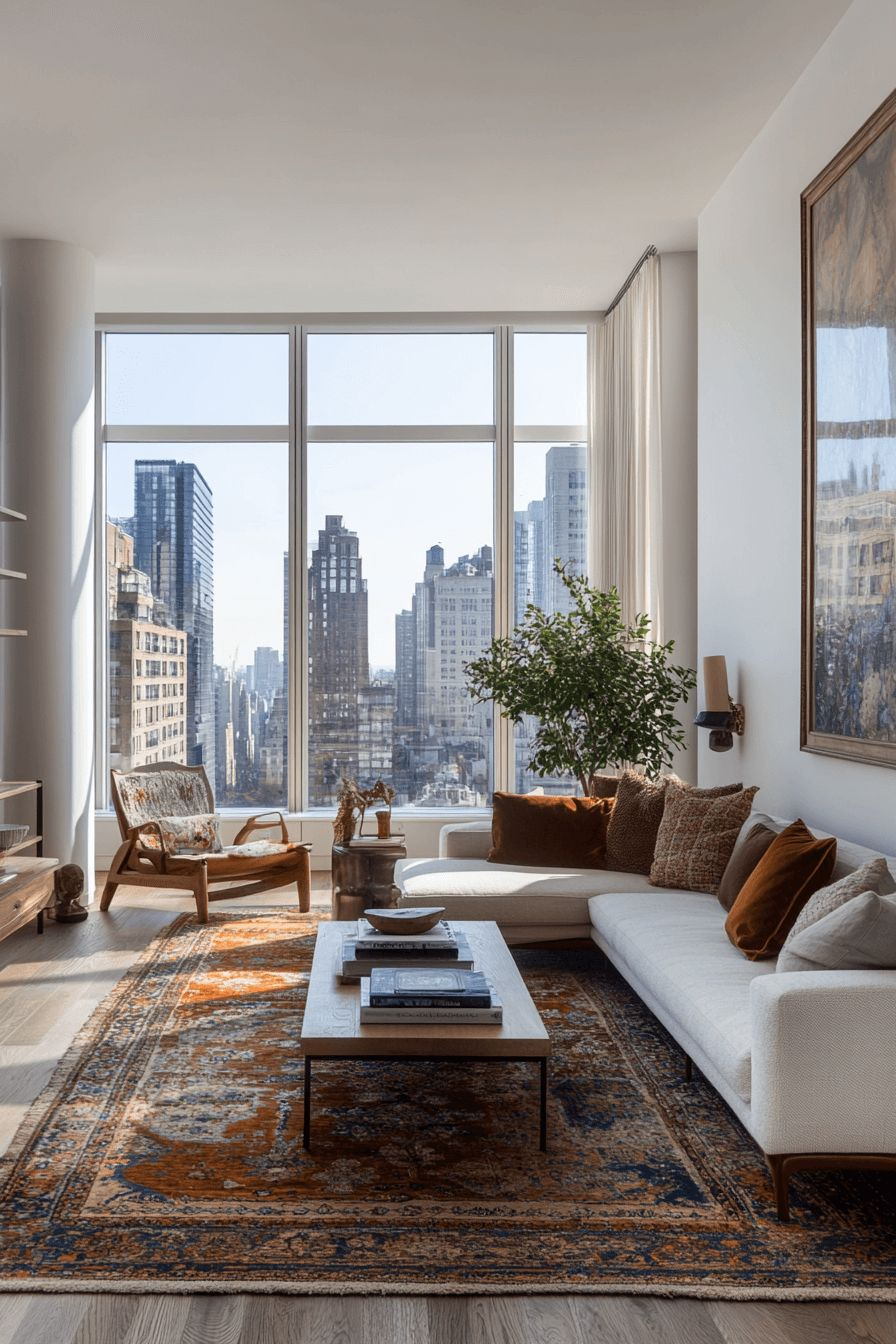
Start With a Real Floor Plan, Not a Guess
The single biggest mistake I see is people estimating what will fit instead of measuring it.
A dining table that looked modest in a character home can eat an entire condo dining nook. Get the actual scaled floor plan for your new unit - most strata buildings or listing agents can provide one - and test your furniture against it on paper before moving day, not after.
A simple trick that works: tape out the new room dimensions on the floor of your current home and see what actually fits inside the lines. It's a five-minute exercise that saves you from paying movers to haul a sectional that was never going to work.
Photo Source: Pinterest.com
Decluttering is a Design Decisions, Not a Move-Day Chore
Decluttering gets treated as a logistics problem - boxes, donation runs, a deadline.
It's actually a design decision, and treating it that way makes it easier, not harder. The question isn't "do I feel guilty getting rid of this?" it's "does this earn a spot in the next chapter of my home?"
Be honest about how you live now, not how you lived ten years ago. China for twelve you don't host anymore, seasonal gear for a cabin you no longer own, furniture sized for a family that's since moved out - these are the categories that quietly eat space that could go to things you actually use. Keep the handful of sentimental pieces that matter and display them intentionally, rather than boxing everything "just in case."
This is the part clients find hardest, and it's exactly where having someone outside the emotional weight of the decision helps most.
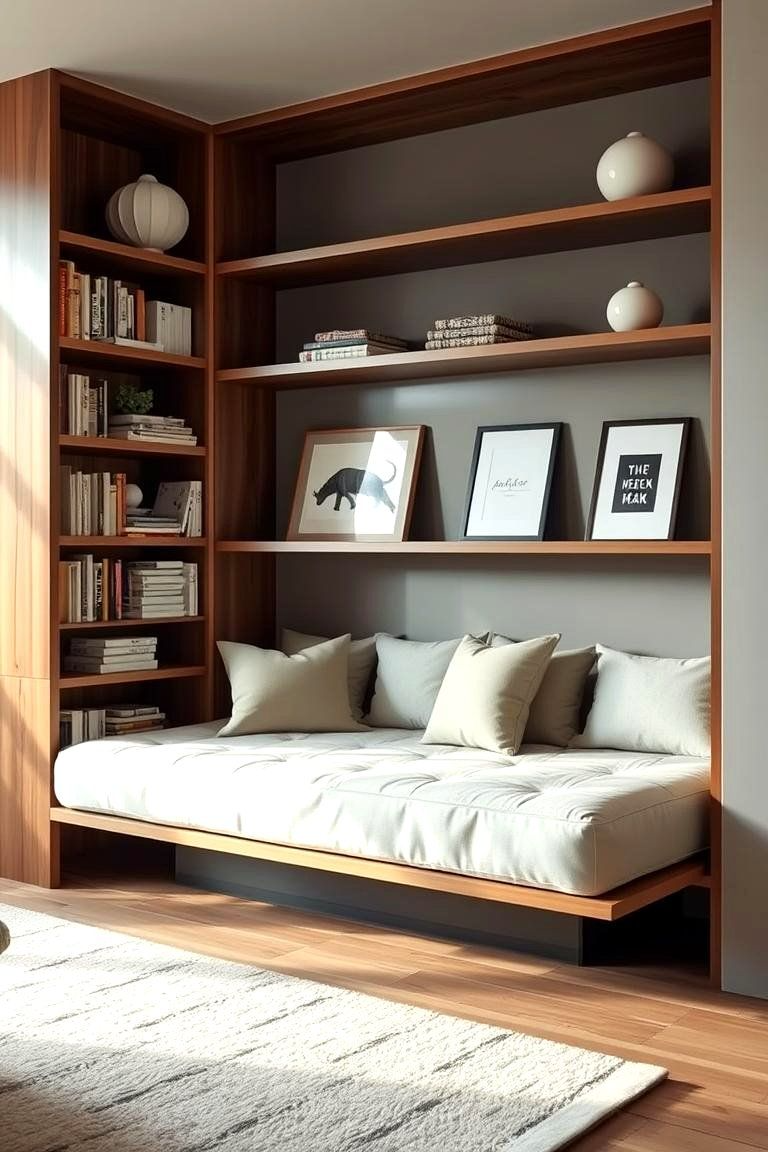
Furniture That Works Harder in a Smaller Footprint
Don't just take smaller versions of your old furniture - rethink scale and function entirely.
An extendable dining table, a storage ottoman instead of a coffee table, built-ins that replace a freestanding dresser: these choices do more work per square foot than furniture chosen for a house ever needed to.
Prioritize quality over quantity. A few well-chosen, well-proportioned pieces that layer together will always beat a room stuffed with everything you owned before, just squeezed in. I've walked several Vancouver clients through exactly this move this year - character home in Dunbar to a two-bedroom in Kerrisdale, a house in East Van to a condo in False Creek - and the pattern is always the same: the clients who edit their furniture list before they shop end up with rooms that feel intentional, not rooms that feel like a storage unit with a view.
Photo Source: Pinterest.com
Vancouver’s Downsizing Path: House to Condo
The most common downsizing route I see is a character home in Dunbar, Kerrisdale, or Point Grey into a condo in Kerrisdale, the West End, False Creek, or Coal Harbour.
Before you order a single piece of furniture or plan any renovation, check your new building's strata bylaws - many restrict hardwired lighting changes, flooring type (for sound transmission to the unit below), and even move-in elevator booking windows. This isn't red tape to work around after the fact; it shapes what's actually possible in your new space.
Storage is the other reality check: condo living usually means a single locker instead of a basement, garage, and attic combined. Plan your storage furniture around that constraint from the start rather than discovering the gap after you've moved. If you're headed into condo life specifically, my guide on how to make a Vancouver condo feel bigger is a useful companion to this one.
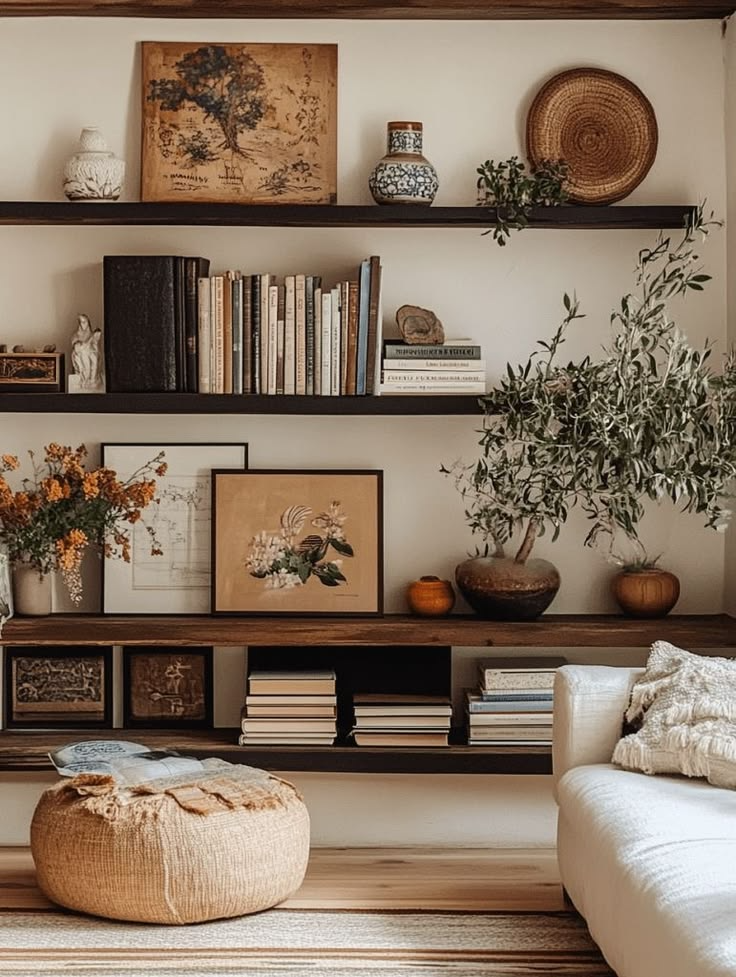
Making a Smaller Home Feel Considered, Not Reduced
Don't shy away from color or pattern just because the square footage dropped.
A smaller room with a confident color choice reads as intentional, while an all-neutral "safe" palette can just as easily read as sparse.
The goal isn't to make the space feel bigger than it is; it's to make it feel considered.
Curate what you display. A few meaningful objects, styled well, do more for a room than everything you own arranged wherever it fits. Smaller doesn't mean lesser - it means edited, and edited well is what separates a downsized home that feels like a compromise from one that feels like the right next chapter.
Photo Source: Pinterest.com
FAQ
Q: Do I need to get rid of most of my furniture when downsizing?
Not necessarily - but you do need to be honest about scale. A piece that worked in a house rarely works in a condo without some rethinking. The goal is fit and function, not an arbitrary rule about how much to keep.
Q: When should I start planning downsizing design - before or after I move?
Before, ideally. Once you have a firm floor plan for your new place, that's the moment to start deciding what comes with you - it's far easier than deciding in a moving truck or a full storage unit.
Q: Can a designer help me decide what to keep, or is that just for after I move in?
This is actually where a designer adds the most value - helping you make those calls against your real new floor plan, before you've paid to move things that were never going to fit.
Q: Is downsizing design the same as small-space or condo design?
Related, but not identical. Small-space design starts with a given footprint. Downsizing design starts with a transition - deciding what to carry forward from a much larger home - which is as much a decision-making process as it is a layout problem.
The Bottom Line
Downsizing well is a design project, not a purge.
If you're planning a move into a smaller Vancouver home and want help figuring out what to keep, what to let go of, and how to make the new space feel like yours from day one, that's exactly the kind of project I take on through my design services.
Ready to talk through your move?
Book a free discovery call, and we'll map out what your new space actually needs.
—Samena, HART HOUS