Buy Canadian: What the US Trade War Means for Your Next Vancouver Renovation
On August 21, the US slapped a 50% tariff on roughly $20 billion of Canadian goods.
Canada answered with a matching $20 billion in retaliatory tariffs days later, and Prime Minister Carney called it what it is - a trade war.
If you're renovating or furnishing a home in Vancouver right now, this isn't background noise - it's showing up directly in your budget. Cabinetry, upholstered furniture, and finishes with US manufacturing or supply-chain ties are getting more expensive and less predictable, and Canada's own 25% safeguard tariff on imported wood cabinets and vanities (in effect since July 31) is adding pressure from the other direction.
Sourcing decisions you'd normally make on style alone now have a cost-and-timeline dimension too - here's what's changing, and how to work around it without blowing your budget.
What’s Actually Changes Since August
Canada and the US have been in a trade dispute since early 2025, but August 21-22 marked a real escalation.
Carney suspended negotiations rather than accept last-minute changes to the terms on the table, and has since called it a trade war outright.
Consumer sentiment backs this up: Angus Reid polling found four-in-five Canadians say they're now buying more Canadian products because of the tariff threat, and 76% believe Canada was right to walk away from trade talks. That shift hit grocery and liquor stores first - it's landing in renovation and furniture too, just slower to notice because reno timelines run longer than grocery runs.
It's not one-directional, either: Canada's own government imposed a temporary 25% safeguard tariff on imported wood cabinets and vanities on July 31, to protect Canadian manufacturers from underpriced imports from outside North America. If your kitchen plan includes imported cabinetry, that's a second tariff to account for - not just the US-facing one.
The design industry has been here before: in 2021, Canada imposed tariffs as high as 295% on certain imported upholstery categories, and the fallout - cancelled orders, scrambled substitutions, designers eating cost overruns on quotes that no longer held - previewed exactly what happens when tariffs outpace supply chains. The lesson wasn't "avoid imports forever." It was "know your exposure before you're mid-project."
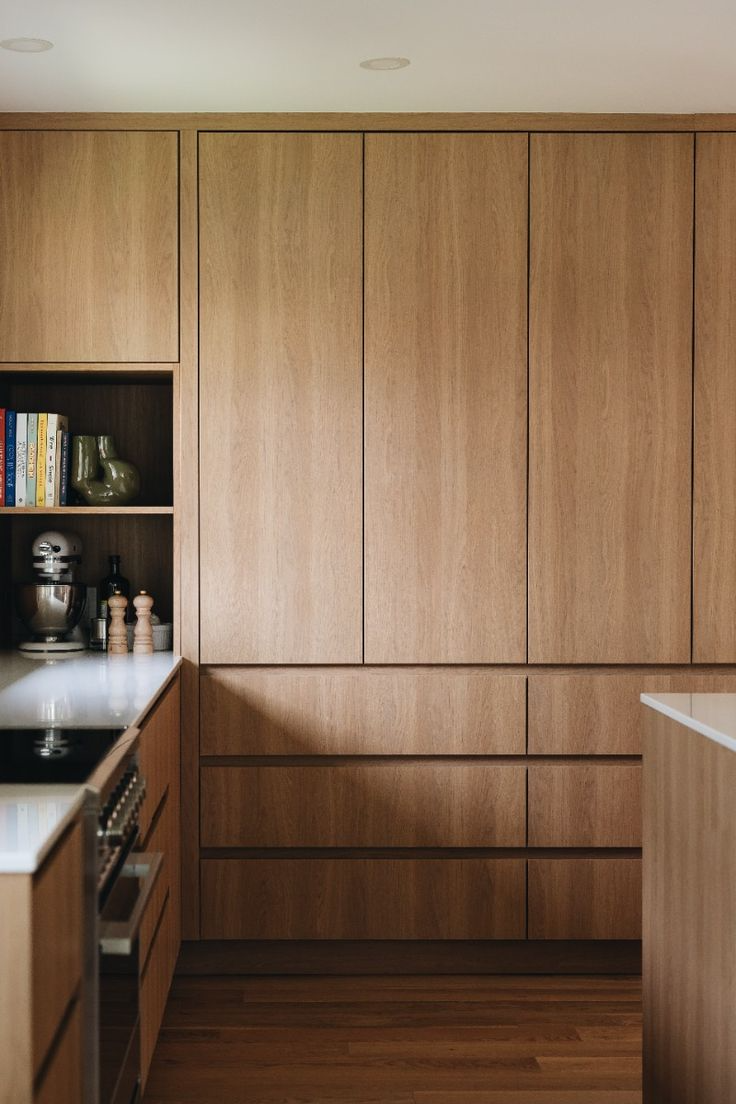
Photo Source: Pinterest.com
Where This Actually Hits Your Renovation Budget
Kitchens are usually the biggest line item in a renovation, and cabinetry is where this collides hardest.
Between US-origin cabinet lines caught in retaliatory tariffs and Canada's own safeguard tariff on imported cabinet boxes, "just order the cabinets" is no longer simple - cost now swings on where the product actually comes from.
Upholstered furniture is the other pressure point. Analysts have floated tariffs as high as 125% on furniture from outside North America - in the most extreme scenario, a $2,000 sofa becomes a $4,500 one. Most projects won't hit the worst-case number, but anything upholstered, anything with imported hardware, or anything sourced through a US-based showroom is worth double-checking before you commit.
The cost that doesn't show up on a quote is timeline. Tariff uncertainty has already caused order cancellations and rerouted supply chains, meaning longer lead times even on pieces that aren't directly tariffed. If your reno has a hard deadline - closing, a baby coming, a permit window - that's now as much a risk as price.
Trades feel this too - if your contractor is pricing a kitchen off a cabinet quote from a month ago, ask them to reconfirm before signing. Quotes have a shorter shelf life right now, and the gap between "quoted" and "invoiced" is where budgets quietly blow up.
The Honest Trade-Off With Buying Canadian
Here's what most "buy Canadian" content skips: Canada's furniture manufacturing base is smaller than the US's, so going Canadian isn't automatically cheaper - it's often a different price point, not a discount.
I'd rather say that upfront than let you assume "local" means "budget."
What you're actually buying with Canadian-made is price stability - no tariff exposure, no customs delays, no getting caught in whatever retaliatory measures come next. For a lot of my clients, that predictability is worth more than a discount, especially on big-ticket items like a sofa, dining table, or kitchen cabinetry, where a mid-project price change genuinely disrupts a budget.
The move isn't "everything must be Canadian-made now." It's being deliberate about which pieces in your project carry the most tariff exposure, and prioritizing Canadian-made or Canadian-sourced specifically for those.
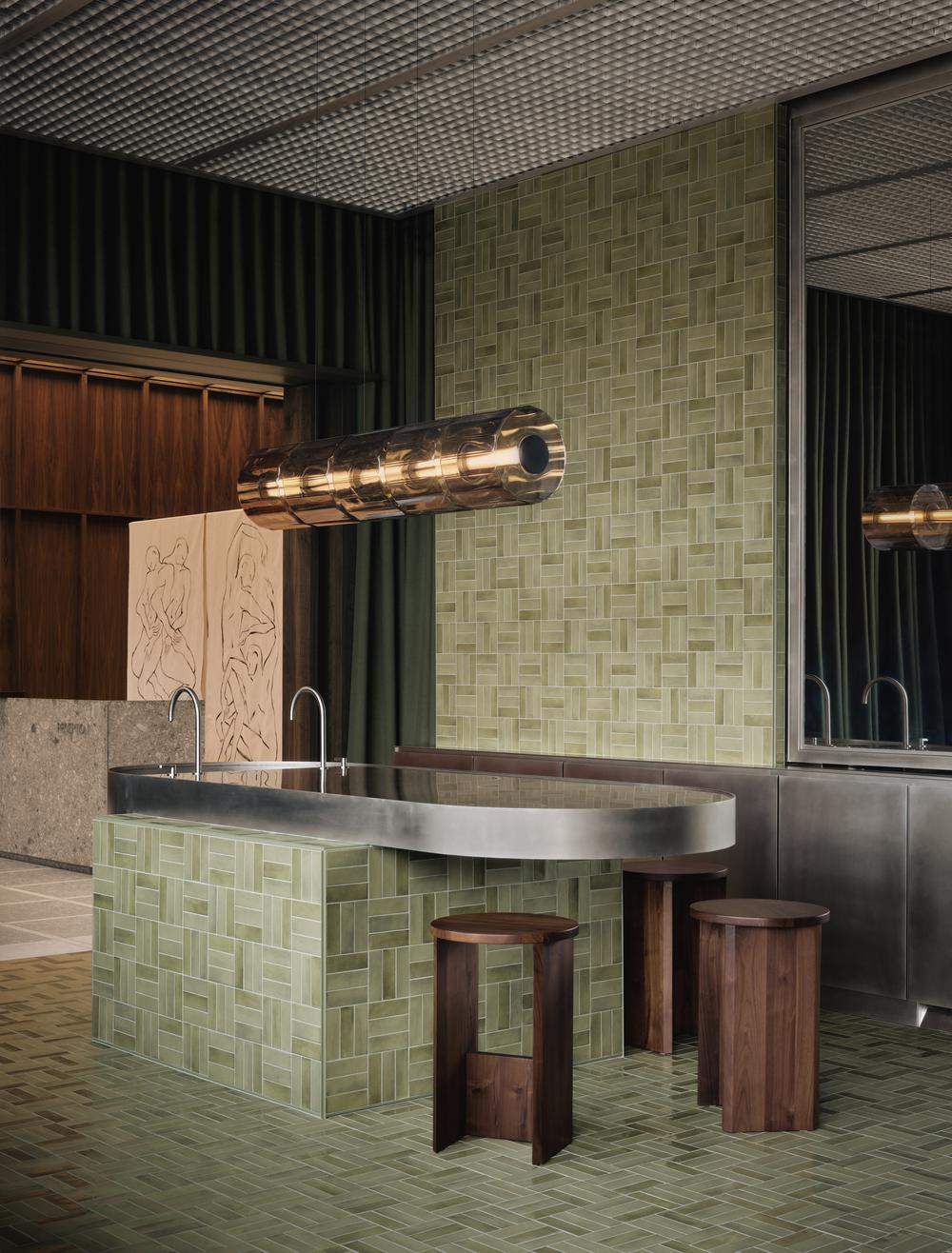
Photo Source: a-n-d.com
Where to Actually Find Canadian-Made, Vancouver-Area
Vancouver has real options here, not just a "shop local" gesture.
Union Wood Co builds solid wood, made-to-order furniture - coffee tables, dining tables, case goods - with zero import exposure. Once a Tree Furniture, on West 3rd, works in reclaimed and solid wood with a more elevated, sculptural point of view. For lighting, A-N-D is a Vancouver studio and manufacturer putting out high-end decorative fixtures that hold their own against imported names, without the import.
If you'd rather browse in person than commission custom, Bayside Furniture in Kitsilano has built its business specifically around curating Canadian-made pieces - a good first stop to see quality and construction up close before you commit.
None of these are a downgrade from what you'd find in a US-facing showroom. They're a different sourcing path that happens to sidestep the entire tariff conversation.
How I’m Adjusting Sourcing for Clients Right Now
With Vancouver clients in Kitsilano and East Van, I've started flagging tariff-exposed items earlier - at the sourcing stage, not final selections.
Cabinetry gets a country-of-origin conversation before we finalize a layout. Upholstery quotes get locked in and time-stamped, because a quote that sat for three weeks can come back different. And I'm building more budget buffer into big-ticket, import-exposed items than I would have a year ago - not because costs will definitely rise, but because right now "might" isn't a risk worth carrying silently.
That's a hard call to make solo mid-project - it requires knowing which suppliers are exposed before you're already committed. It's a big part of what a designer is for right now: not just picking finishes, but knowing which ones are safe bets and which are gambling on a tariff schedule that could shift again before your order ships.
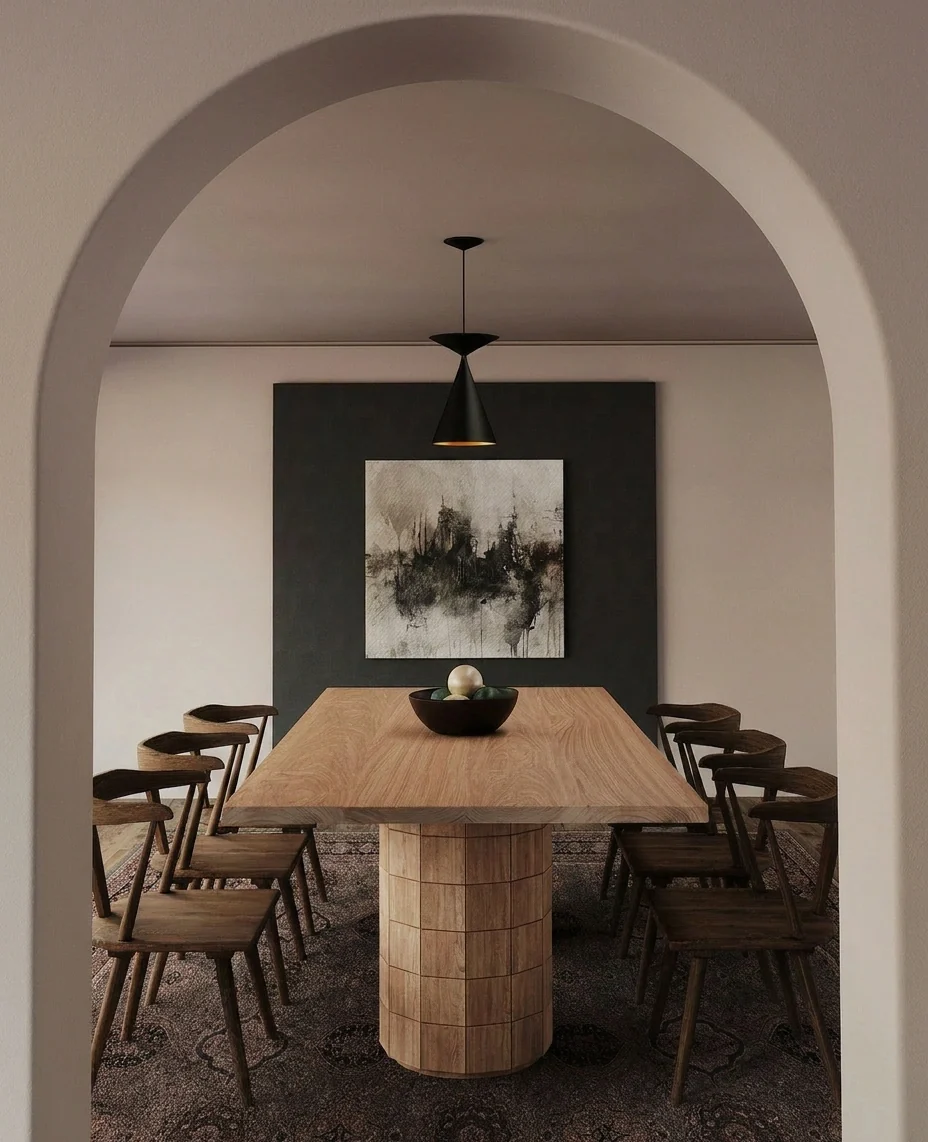
Photo Source: unionwoodco.com
FAQ
Q: Will tariffs make my renovation more expensive right now?
Possibly, but it depends entirely on what you're sourcing and from where. Items with US manufacturing ties or import exposure from outside North America are the ones at risk. Canadian-made pieces, and materials already in the country, aren't affected by these specific tariffs.
Q: Is Canadian-made furniture always more expensive than imported?
Not always, but it's also not automatically cheaper. Canada's furniture manufacturing base is smaller than the US's, so pricing reflects that. What you're paying for is often price stability and no tariff exposure, not necessarily a lower sticker price.
Q: What renovation items are most exposed to these tariffs?
Kitchen cabinetry and vanities (from both directions — US retaliatory tariffs and Canada's own safeguard tariff), upholstered furniture, and anything sourced through a US-based distributor or showroom carry the most exposure right now.
Q: Should I pause my renovation until the trade situation settles?
I wouldn't. Nobody has a clear timeline on when this resolves, and pausing just means paying whatever the market looks like later, with less lead time to plan around it. The better move is sourcing deliberately now -locking in quotes, prioritizing Canadian-made for exposed categories, and building in a reasonable buffer.
The Bottom Line
None of this means scrapping your renovation plans or panic-buying whatever's labelled "Canadian."
It means sourcing with your eyes open, and knowing which decisions in your project actually carry risk right now. That's exactly the kind of thing I help clients navigate every day - if you're planning a renovation and want a second set of eyes on where your budget is exposed, book a discovery call and let's talk through your project before you're mid-order and stuck.
—Samena, HART HOUS