Interior Design for New Homeowners in Vancouver: Where to Actually Start
You just closed on a place in Vancouver.
Congratulations - now you're standing in an empty room wondering what to do first. Here's the short answer: not paint colours, not furniture, not a Pinterest board. Start with how you actually live in the space, then layer in structure, layout, and lighting before you touch anything decorative. Get that order wrong, and you'll be redoing work - and spending money twice - within the year.
This is the part nobody tells new homeowners.
Design isn't about picking things you like. It's about sequencing decisions so each one supports the next.
Here's how that actually plays out, room by room, decision by decision.
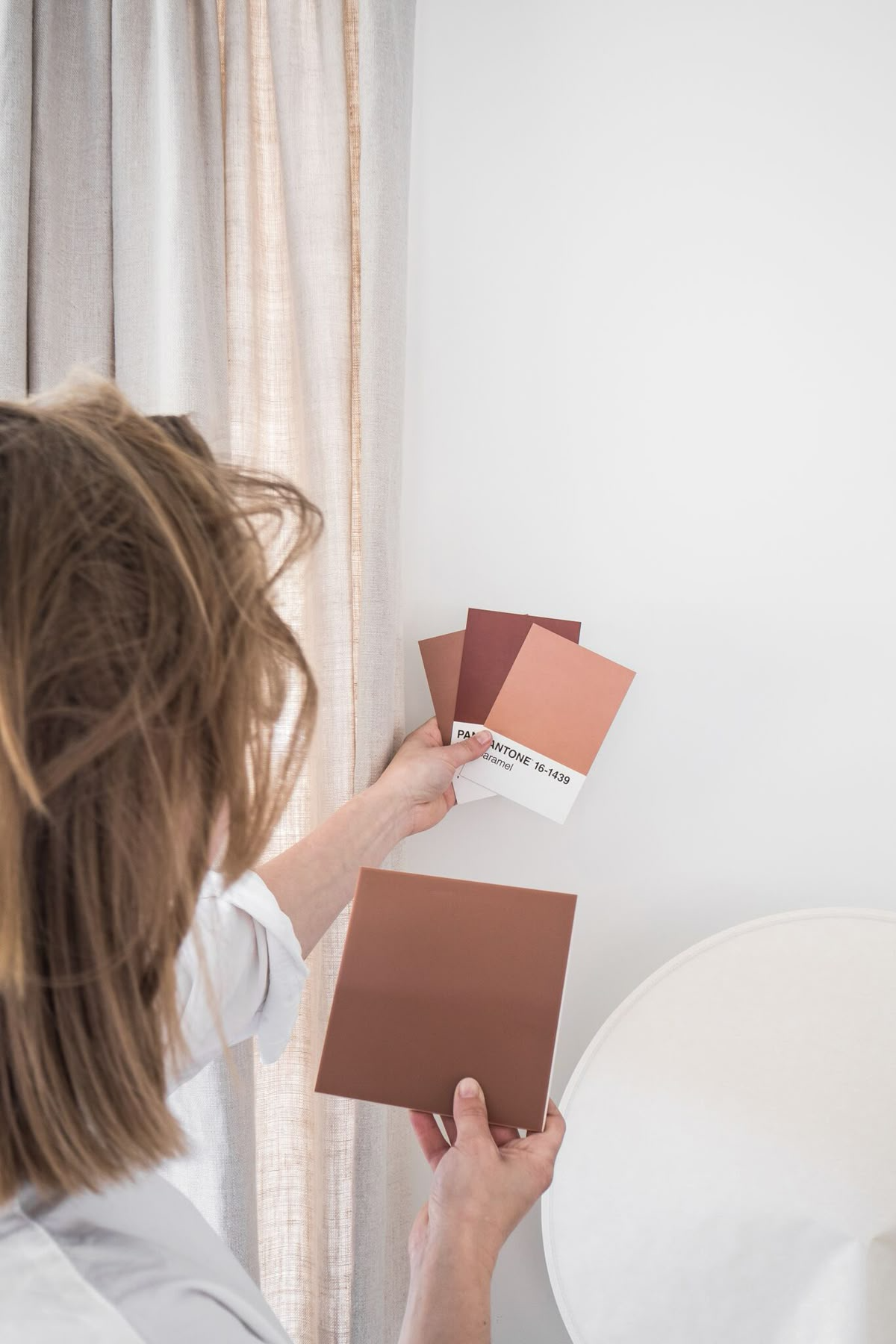
Why Most New Homeowners Start in the Wrong Place
The instinct is to grab paint swatches and start scrolling.
I get it - after months of house hunting, you want to see progress fast. But paint, furniture, and decor are the last 20% of the work. The first 80% is invisible: how the space functions, where the light actually falls at different times of day, what's structural versus cosmetic, and what your day-to-day actually looks like in that layout.
I've walked into more than one Kitsilano character home where the new owners painted every room in their first month, then called me six months later once they realized the layout wasn't working and half that paint was about to get covered by new millwork. Sequence saves money. Aesthetics without a plan just gets redone.
There's also a psychological piece to this that's worth naming. Buying a home in Vancouver takes everything you've got - the search, the offers, the closing costs. By the time you get the keys, you want to feel like it's done. That urge to declare victory fast is exactly what leads to decisions made under pressure instead of decisions made with a plan. Slowing down for a few weeks at the start isn't wasted time. It's the cheapest insurance you'll buy on this project.
Photo Source: Pinterest.com
The Real Order of Operations
Before you buy a single throw pillow, work through this order:
Live in it first - minimum 2-4 weeks. Notice where light comes in, which rooms you avoid, where you naturally drop your keys and bag.
Identify anything structural. Walls you might want to move, outdated electrical, plumbing that needs attention before you build around it.
Nail the layout. Furniture placement, traffic flow, where lighting actually needs to live - this determines everything downstream.
Then materials and finishes - paint, flooring, cabinetry, tile.
Furniture and styling last. Once the bones are right, this part goes fast, and mistakes are cheap to fix.
Skipping to step 5 first is the single most common - and most expensive - mistake I see new owners make.
Here's what that looks like in practice. Say you've bought a two-bedroom in East Van and your instinct is to start with the primary bedroom - new bed, new paint, a rug you found online. But if the room's only awkward closet is on the wrong wall for how you actually want the bed positioned, you've just bought furniture you'll need to reposition, or worse, replace, once the layout gets sorted. Twenty minutes with a tape measure and a plan up front saves that entire redo.
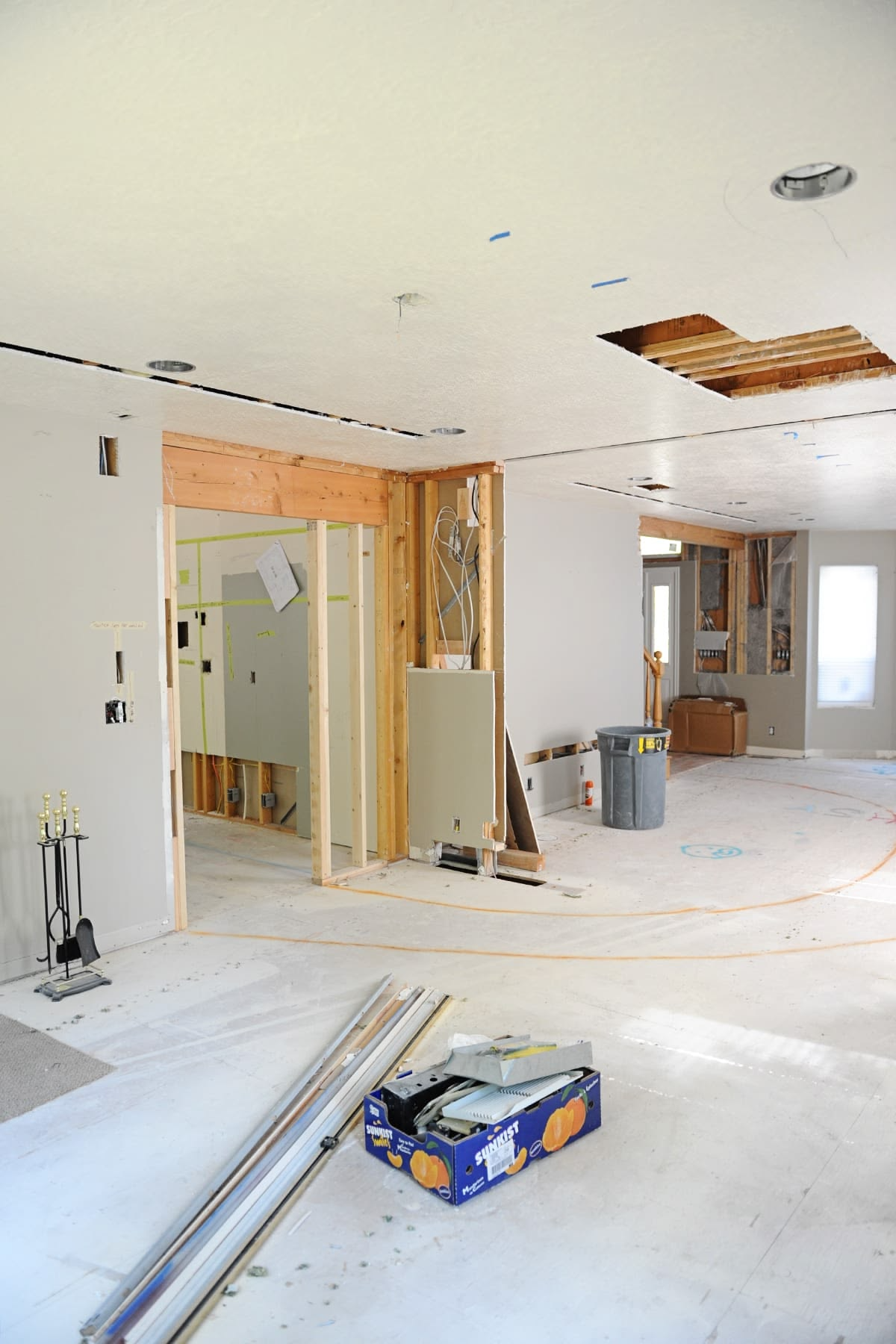
What Vancouver Ownership Actually Adds to the Timeline
Condos add strata approval to your timeline - even a non-load-bearing wall usually needs board sign-off, and that can take four to six weeks. Budget for it upfront.
Character homes (Kitsilano, Mount Pleasant, East Van) almost always have something behind the walls you don't know about yet - knob-and-tube wiring, undersized plumbing, outdated insulation. It won't show up on a walk-through, only once you open a wall.
New builds skip that risk but come move-in ready and personality-free - a styling project, not a construction one, with its own budget and timeline.
Outside the city - Squamish, Sproat Lake - add septic/well systems, wildfire-rated materials, and a slower contractor clock. None of these are dealbreakers, just things to plan for from day one instead of discovering in month three.
Photo Source: Pinterest.com
What to DIY vs. What to Bring In Help For
You don't need a designer for everything, and I'll tell you that straight.
Paint colour, rugs, lighting fixtures you can return, and furniture within a room you're not restructuring - go ahead and make those calls yourself. Low cost to get wrong, easy to change later.
Bring in help before you touch: anything structural, any project involving strata approval, full-room layouts where furniture scale and traffic flow actually matter, or any project where you're making four or five decisions that all depend on each other. That's where a wrong early call cascades into expensive rework - and it's exactly the kind of project where a few hours of design guidance pays for itself.
A good rule of thumb: if a decision is easy to reverse, make it yourself. If it involves a contractor, a permit, or more than $2,000, get a second set of eyes on it before you commit - even if that "second set of eyes" is just a one-hour consult to sanity-check your plan.
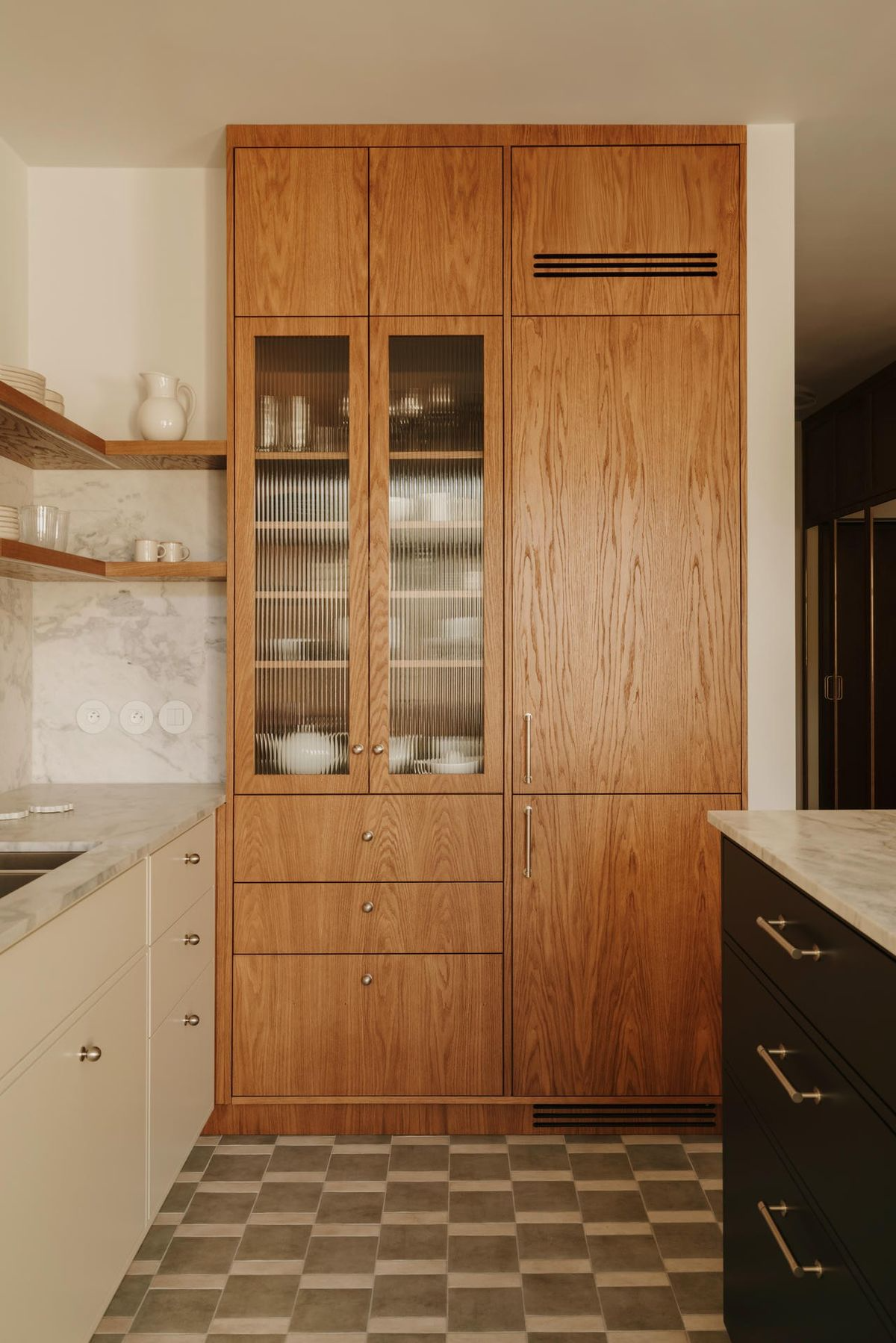
What This Actually Costs in Year One
You don't need a full-service renovation to get this right.
A single design consultation - walking through your new place, identifying priorities, and mapping the order of operations - costs far less than one wrong renovation decision, and it gives you a plan you can execute over months or years at your own pace.
For homeowners who want more hands-on guidance without a full-service commitment, an e-design package is often the right entry point: clear deliverables, a defined scope, and a flat fee, without needing me on-site. This tends to work especially well for new homeowners because the biggest need in year one isn't a full renovation - it's clarity.
A remote plan you can execute at your own pace, room by room, as budget allows, solves that without locking you into a bigger project before you're ready for one.
The homeowners who spend the least overall are the ones who get a plan before they spend anything - not the ones who wait until they've already made a few expensive mistakes to ask for help.
Photo Source: Pinterest.com
FAQ
Q: How soon after buying should I hire an interior designer?
Anytime after your first two to four weeks living in the space - long enough to notice how you actually use each room, before you've made irreversible decisions like paint or furniture purchases that don't fit the layout.
Q: Do I need a designer for a condo, or just for a house?
Condos often need more upfront planning, not less - strata approval adds a layer houses don't have. If you're touching anything structural in a condo, get design input before you submit to the board, not after.
Q: What's the difference between decorating and interior design?
Decorating is what you see - colour, furniture, styling. Interior design includes that plus layout, function, and how the space actually works for your life. New homeowners usually need the second one first, even if it's the first one they want to jump to.
Q: How much does it cost to work with a designer as a new homeowner?
It depends entirely on scope - a single consultation is a fraction of what a full renovation costs, and it's often the thing that prevents an expensive mistake. Book a free discovery call, and I'll give you a straight answer based on your actual place, not a generic range.
—Samena, HART HOUS
Where to Start
If you just bought in Vancouver and you're standing in an empty room trying to figure out what comes first, that's exactly the conversation I have with new homeowners every week.
You don't need to have it all figured out before you call - that's the point of the call.
Book a free discovery call or explore HART HOUS design services to see what fits your timeline and budget.
If you're more in the styling-and-furnishing phase, our post on furnishing a new build is a good next read.