Is Open Concept Dead in Vancouver? What’s Replacing It in 2026
Open concept isn't dead. It's just no longer the automatic right answer. Vancouver homeowners are asking for more separation - a closed door for a work call, a kitchen that doesn't perfume the whole main floor, a spot to put away the mess before guests arrive.
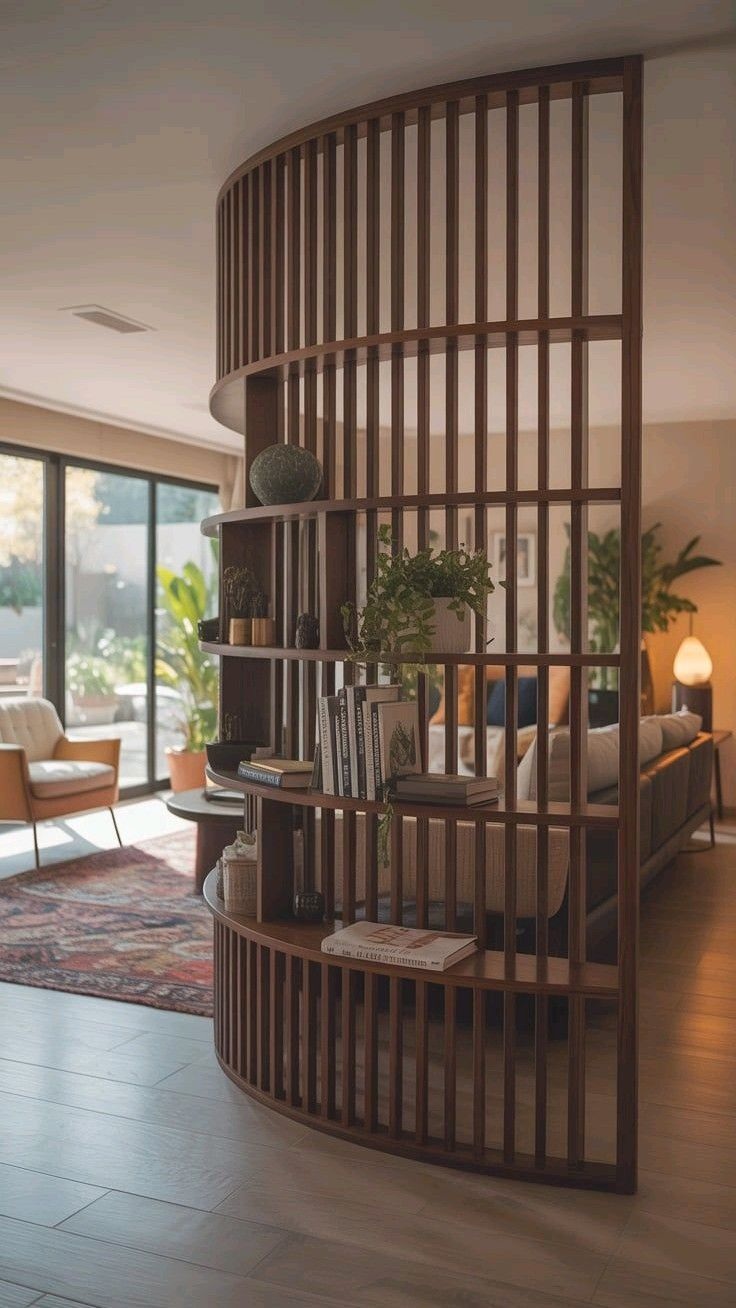
What's replacing pure open concept is the broken floor plan: spaces that stay connected through sightlines and flow, but with enough definition that not everything happens in one room.
When Open Concept Still Makes Sense
Open layouts still earn their place in small condos that need shared light - Yaletown, Olympic Village, and similar buildings benefit enormously from removing visual barriers.
They also work in older homes with small windows and choppy floor plans, where opening up the main floor solves a real light problem. And if you're a one-cook household who likes company while you cook, an open kitchen-to-living connection is still a good call. The key is choosing it on purpose, not defaulting to it because it's what every renovation show does.
Photo Source: Pinterest.com
Where Open Concept Breaks Down
Problems show up fast in households with kids, pets, roommates, or anyone working from home.
Cooking smells move into the sofa. There's nowhere to hide dishes, schoolwork, or laundry. In smaller units, a fully open kitchen-living-dining run can feel more like a studio than a real home, no matter how nice the finishes are. The layout issues that come up again and again: an entry that bleeds straight into the kitchen, a bathroom with zero privacy because it opens directly onto the main living space, and no closed-off spot for the stuff that doesn't belong on display.
The Broken Floor Plan Approach
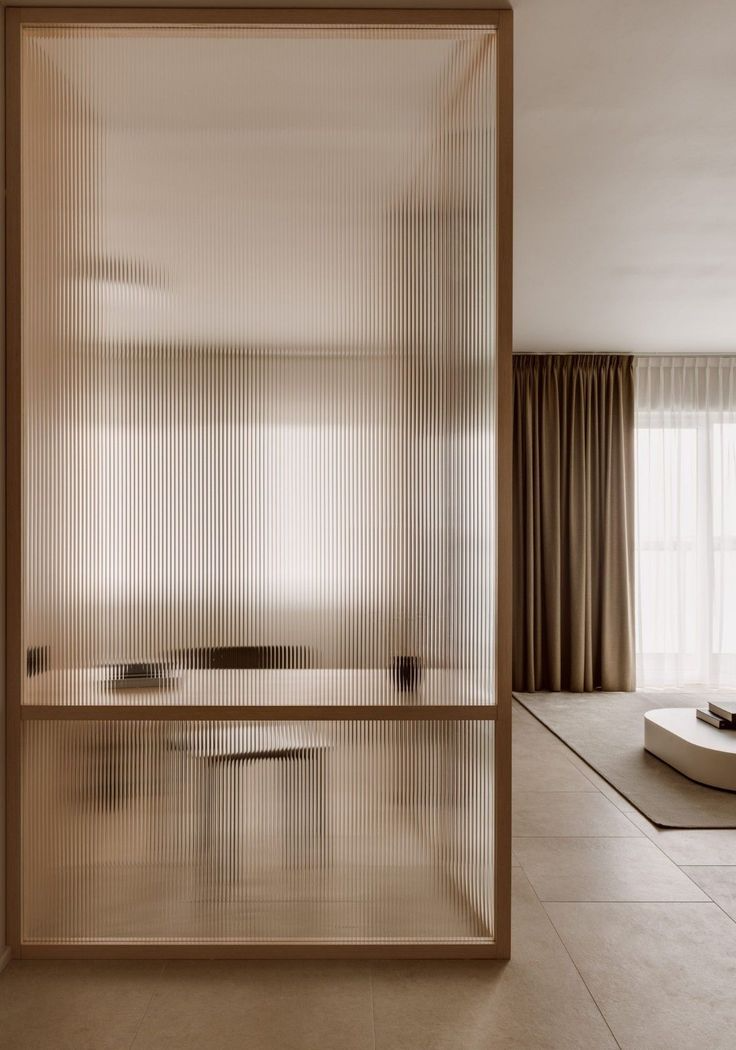
A broken floor plan keeps spaces feeling connected without sacrificing privacy or quiet.
Partition walls, pony walls, archways, and glass partitions all do this - light and sightlines carry through, but sound and smell don't. This matters most in renovations where you're already touching the kitchen and bathroom. Shifting a door, adding a partial wall, or using a tall cabinet to break up a sightline can solve real daily friction without adding square footage.
Photo Source: Pinterest.com
Designing for How You Actually Live
The better question isn't "should this be open?"
It's "what does this space need to do for my household?" That might mean a closed-off den that works as a guest room or office. It might mean a kitchen that's social but still has a place to hide the mess. Layout decisions should follow how a household actually functions day to day, not what looked good in a showhome three times the size of a typical Vancouver property.
FAQ
Q: Does an open concept layout hurt resale value in Vancouver?
Not on its own. Buyers still respond well to bright, connected spaces, especially in condos. What's shifting is the expectation that there's at least some separation somewhere in the home.
Q: I already have an open concept space. Can I still fix it without a full reno?
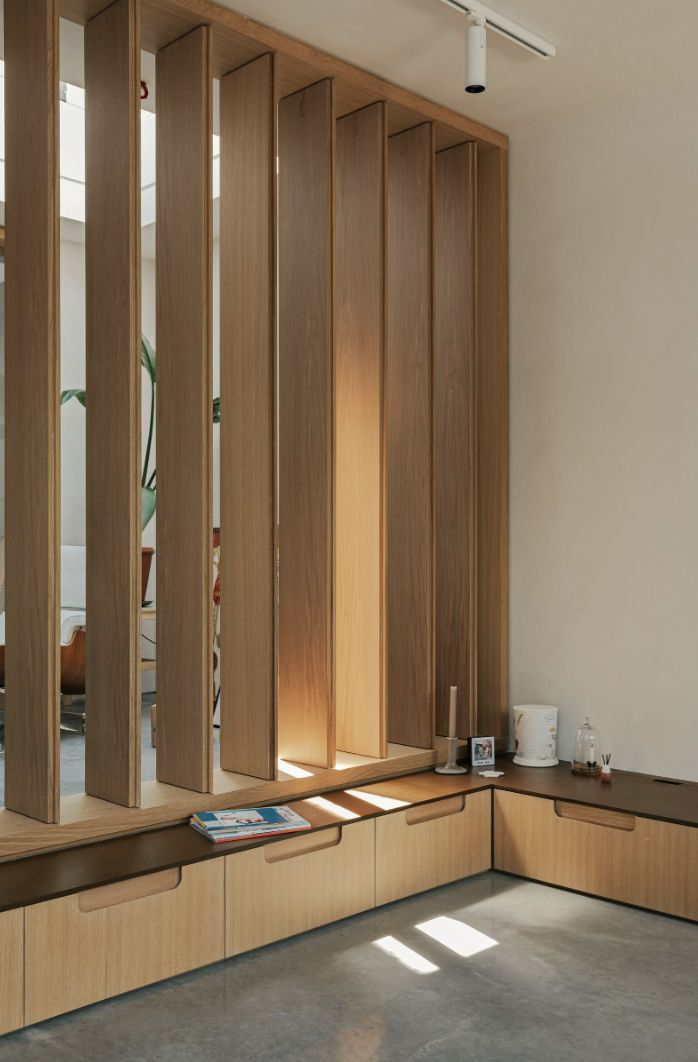
Yes. Millwork, partitions, glass dividers, and rethinking where doors and walls fall can all add definition without a structural overhaul.
Q: Should I keep at least one closed room?
If the layout allows it, yes. A single room that can close off - office, den, guest space - gives a household real flexibility without complicating the rest of the plan.
—Samena, HART HOUS
Planning a Layout That Actually Works
If you're renovating a kitchen or bathroom and want a layout that fits how your household actually lives - not just what's trending - book a free discovery call.