Eco-Friendly Interior Design in Vancouver: What Actually Works in 2026
Sustainable design isn't a style anymore - it's a baseline expectation. BC's Step Code, rising energy costs, and a market full of vague "eco" labels mean Vancouver and Vancouver Island homeowners need to know what actually counts as green, and what's just good marketing.
Here's what makes a material or finish genuinely sustainable, what to avoid, and how to make smart choices whether you're renovating a kitchen, refreshing a living room, or furnishing from scratch.
What Makes a Material Actually Sustainable
Four things matter:
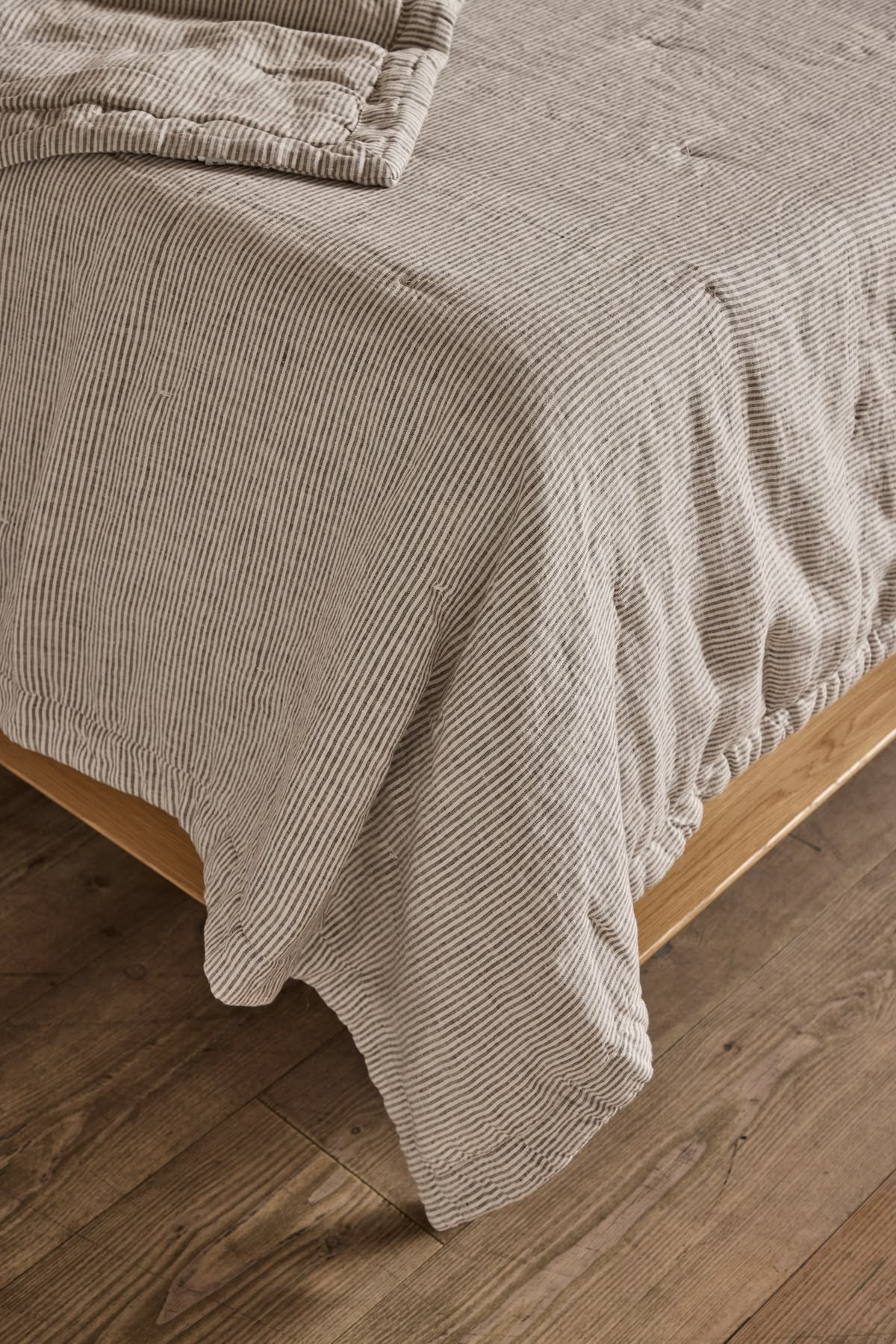
Efficiency, durability, non-toxicity, and source. A material earns its "eco" label if it cuts energy or water use, lasts without breaking down, doesn't off-gas, and doesn't travel halfway around the world to get to your home.
Look for verified certifications, not vague language. FSC for wood, GREENGUARD or OEKO-TEX for textiles and finishes, Cradle-to-Cradle for broader material health. If a product just says "natural" or "eco" with nothing backing it up, that's a flag, not a feature.
Photo Source: Pinterest.com
Spotting Greenwashing Before You Buy
Greenwashing is everywhere in furniture and finishes right now.
Watch for vague terms with no certification attached, and materials with hidden formaldehyde-based glues or finishes - MDF and some plywoods are common offenders.
Ask three questions before you commit to anything: where was this made, will it actually last, and can it be recycled or repaired down the line. If a supplier can't answer, that's your answer.
Sustainable Materials Worth Specifying
For kitchens specifically:
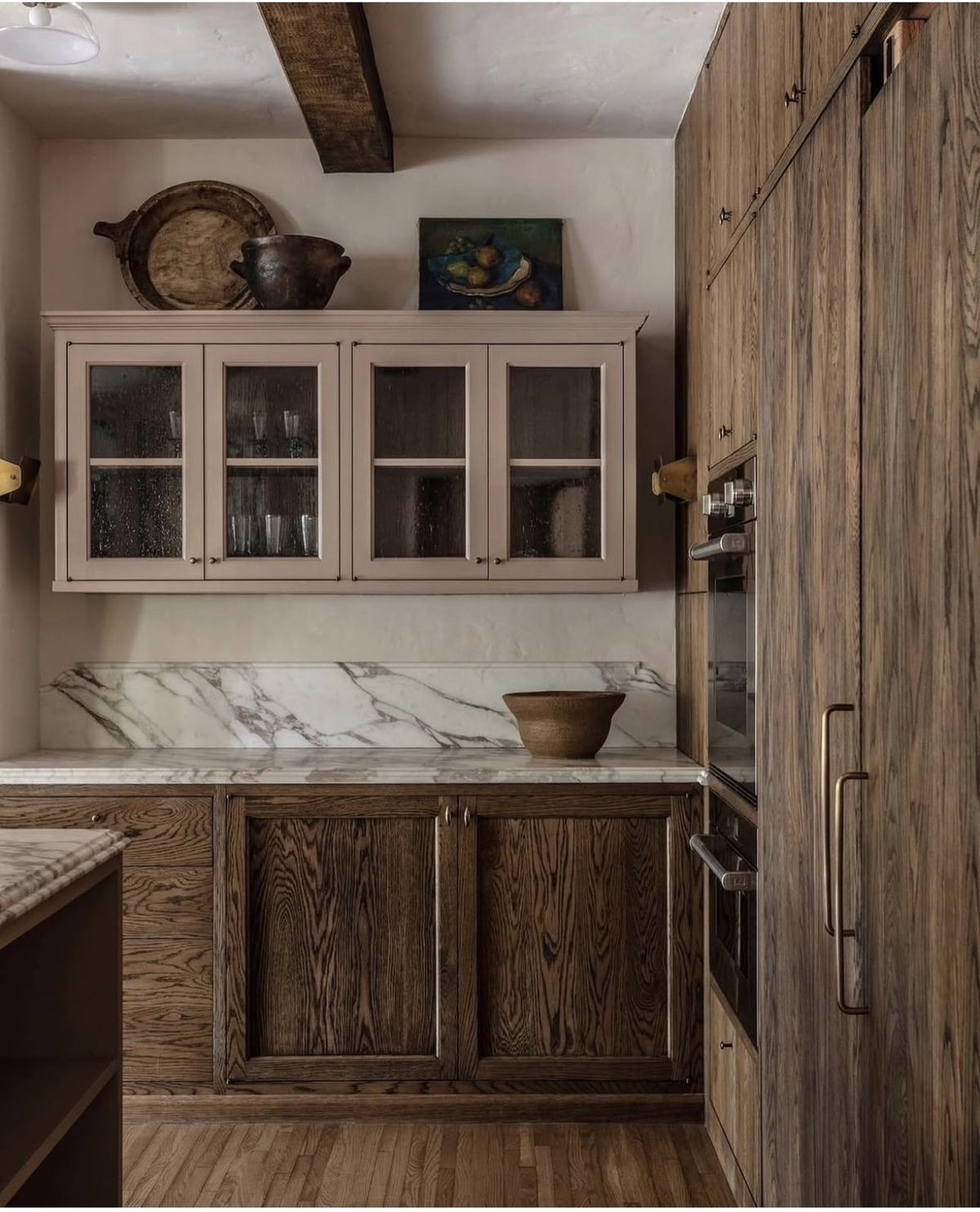
FSC-certified solid wood or formaldehyde-free plywood for cabinetry, recycled paper composite (PaperStone) or recycled glass for countertops, cork or reclaimed wood for flooring, and clay or limewash paint for walls - all of which regulate humidity better than standard latex.
For the rest of the home:
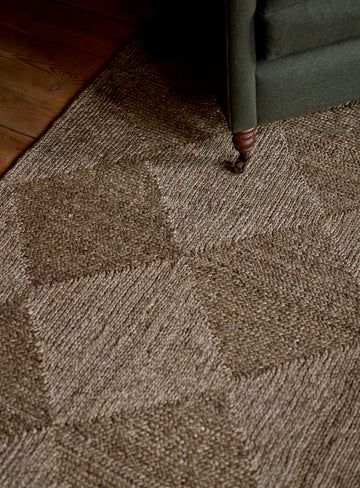
Reclaimed BC wood for furniture and beams, recycled stone for surfaces, natural fibre rugs (jute, sisal, wool with no synthetic backing), and solid wood over veneer wherever the budget allows.
Photo Source: Pinterest.com
Local Suppliers Doing This Right
A few Vancouver and Vancouver Island makers worth knowing:
Union Wood Co. for reclaimed wood cabinetry and custom islands, North Shore Woodworks for FSC-certified custom cabinetry, and GreenWorks Building Supply for low-VOC finishes and flooring. Local sourcing isn't just a sustainability win - it also means fewer shipping delays and a supplier who'll actually answer the phone if something goes wrong.
Frequently Asked Questions
Q: What's the most cost-effective way to make a home more sustainable?
Start with insulation, low-VOC paint, and lighting. These are the lowest-cost, highest-impact changes, and they apply whether you own or rent.
Q: Is sustainable furniture worth the higher price?
Generally, yes. Solid wood and well-made pieces outlast fast furniture by years, which means less landfill and less money spent replacing things every few seasons.
Q: Do low-VOC materials actually make a difference indoors?
Yes, especially in smaller homes and condos where air doesn't circulate as freely. Less off-gassing means better air quality in the rooms you spend the most time in.
Photo Source: Pinterest.com
—Samena, HART HOUS
Ready to Build This Into Your Project?
Sustainable design works best when it's planned from the start, not bolted on at the end.
If you're renovating or furnishing on Vancouver Island or in Vancouver, book a free discovery call, and we'll figure out what's realistic for your space and budget.