What to Expect When Working with a Vancouver Interior Designer on Your Bathroom Renovation
Most Vancouver homeowners start a bathroom renovation the same way - a few contractor quotes, some Pinterest saves, and a growing sense that they're missing something.
What they're usually missing is a process.
Hiring an interior designer changes that. But designers don't all work the same way - and before you hire one, it's worth understanding exactly what you're getting. Some hand off a mood board and step back. Some manage every trade call from demo to final walkthrough. Some disappear the moment the drawings are done.
Here's what working with HART HOUS actually looks like, phase by phase - so you can walk into the process knowing what to expect, what to ask, and what good looks like.
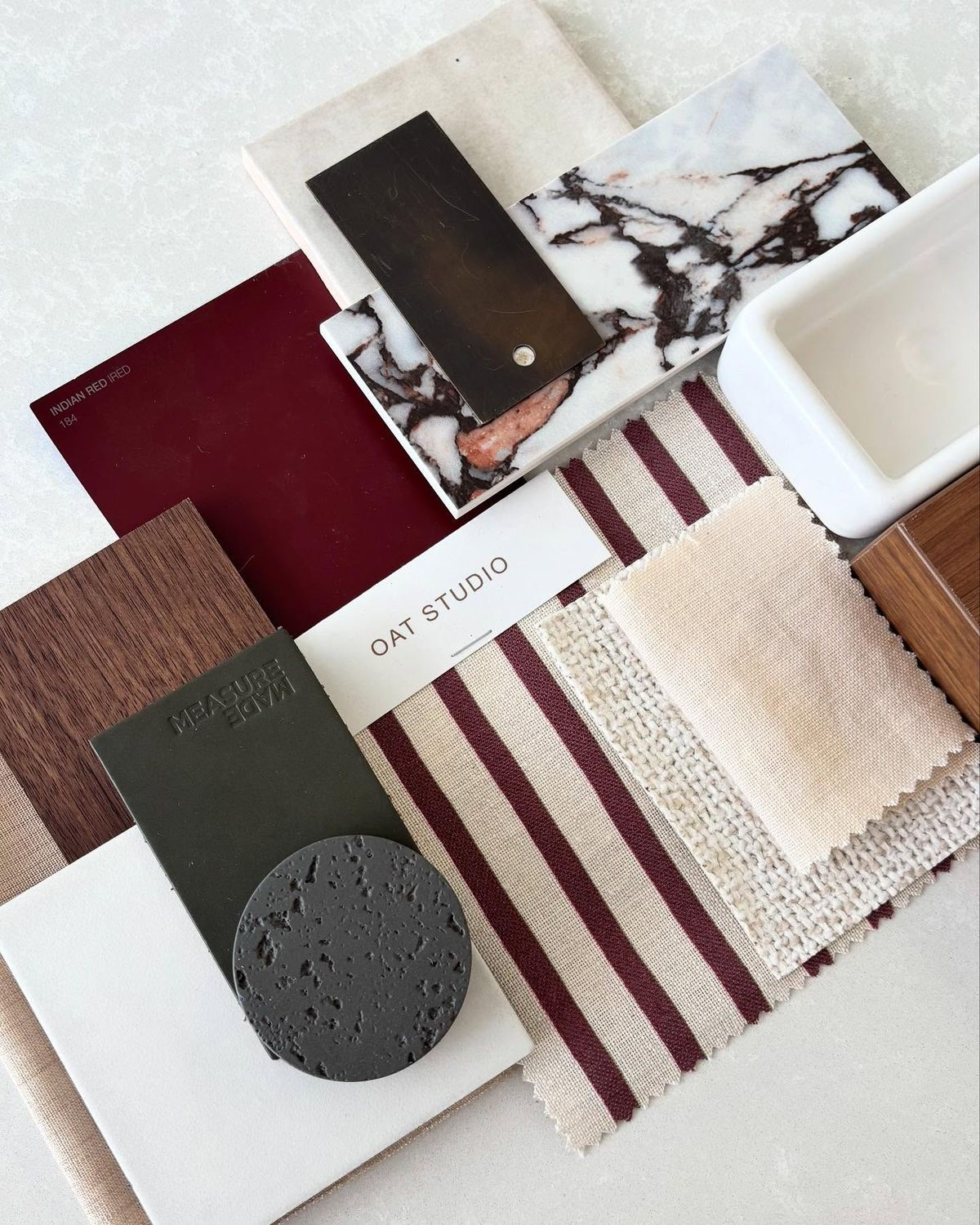
The Discovery Phase: How It Actually Starts
Before the first call, you fill out a short form - contact info, project type, timeline, space, and a rough budget. Just enough for me to show up with context.
The Discovery Call is a meet and greet. You ask questions, I hear about your project, and we figure out if we're a fit. Some designers treat this like a sales pitch. I'd rather we both leave knowing the honest answer.
If we move forward, the Home Consultation is where the real work begins - I'm in your space, measuring and asking the questions that shape the design. How your household uses the room. How involved you want to be. Whether you want to approve every decision or just the final call. The process gets built around your answer.
Photo Source: Pinterest.com
Budget: The Conversation Most Designers Have Too Late
Some designers show you the concept first, then the price. By then you're attached - and the number lands hard. I have the money conversation before anything gets designed.
Full bathroom renovations in Vancouver run $18,000–$35,000 mid-range in 2026, and $60,000–$100,000+ for a luxury primary. Labour is 25–40% above the national average. Knowing your real number upfront shapes every decision that follows.
A designer's fee (typically 10–20% of project budget) isn't an added cost - it's a substitution. Trade pricing, fewer change orders, and no expensive mistakes more than cover it.
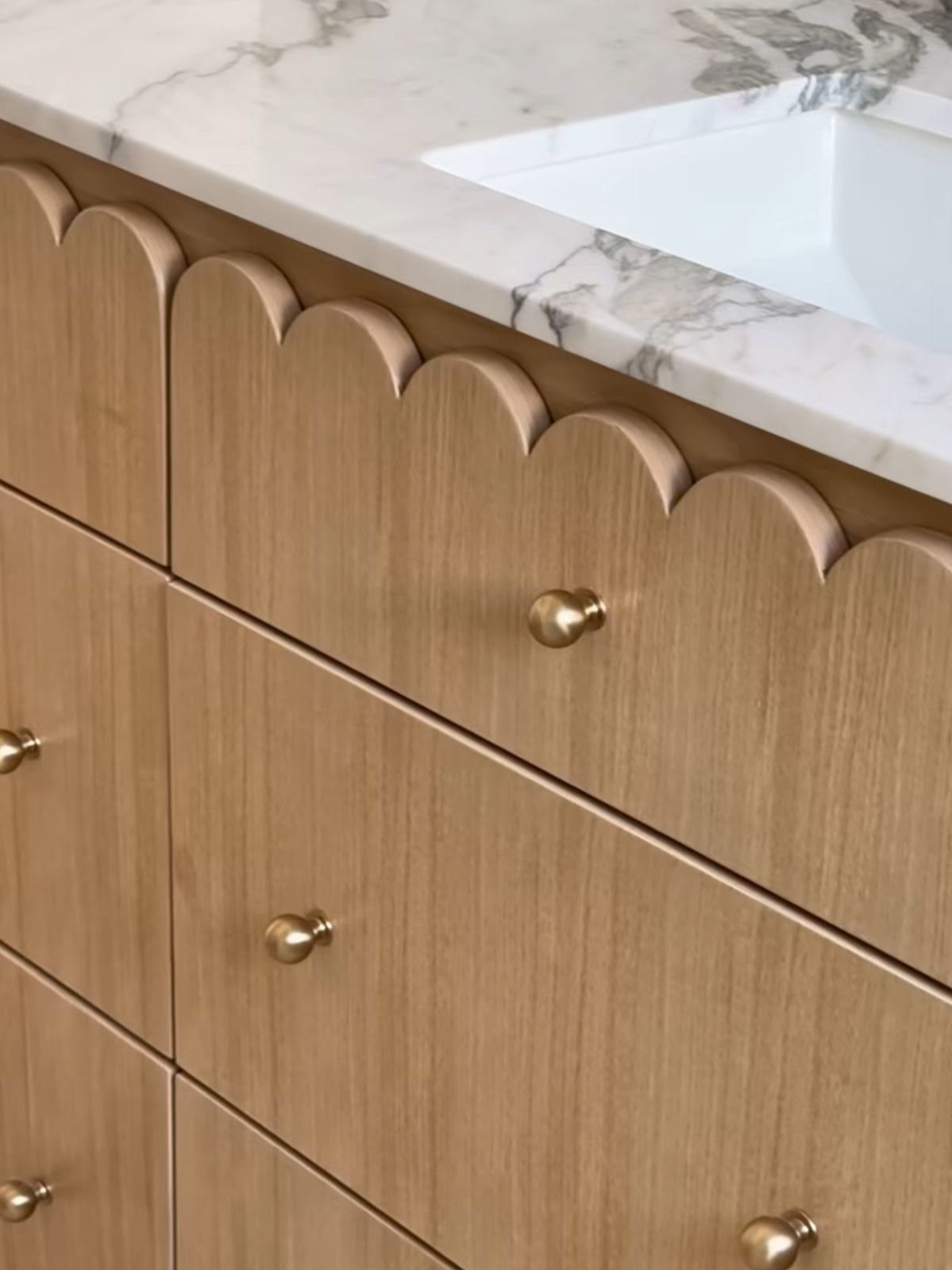
Design Development: Where Every Decision Connects
This phase produces a floor plan, tile selections, fixture specs, lighting plan, vanity layout, and finish palette - drawings, samples, and a written specification. Not a Pinterest board.
In Vancouver, strata adds a layer most homeowners don't see coming. Wet trade bylaws, noise transmission requirements, alteration agreements - these need to be sorted before a single tile is ordered.
Miss them, and you're looking at delays, fines, or work that has to come out.
Expect 2–4 rounds of refinement. How involved you are in those rounds was set at the home consultation - and stays consistent throughout.
Photo Source: Pinterest.com
The Design Presentation: Where It All Comes Together
Once the concept is developed, I present the full design - every selection, every decision, the complete vision for the space. Not a folder of samples dropped in your inbox. A proper walkthrough so you can see how it all connects.
After the presentation, you take time to sit with it. Then we meet again - a review conversation where you can ask questions, push back, and flag anything that doesn't feel right. From there, we go into revisions and approvals until everything is confirmed.
Once you've signed off, the final documentation is compiled and handed over: design drawings and a full specification package - everything your contractor needs to price and execute the project accurately. Some designers rush this step or keep it vague. A loose spec sheet leads to loose quotes and change orders you didn't see coming.
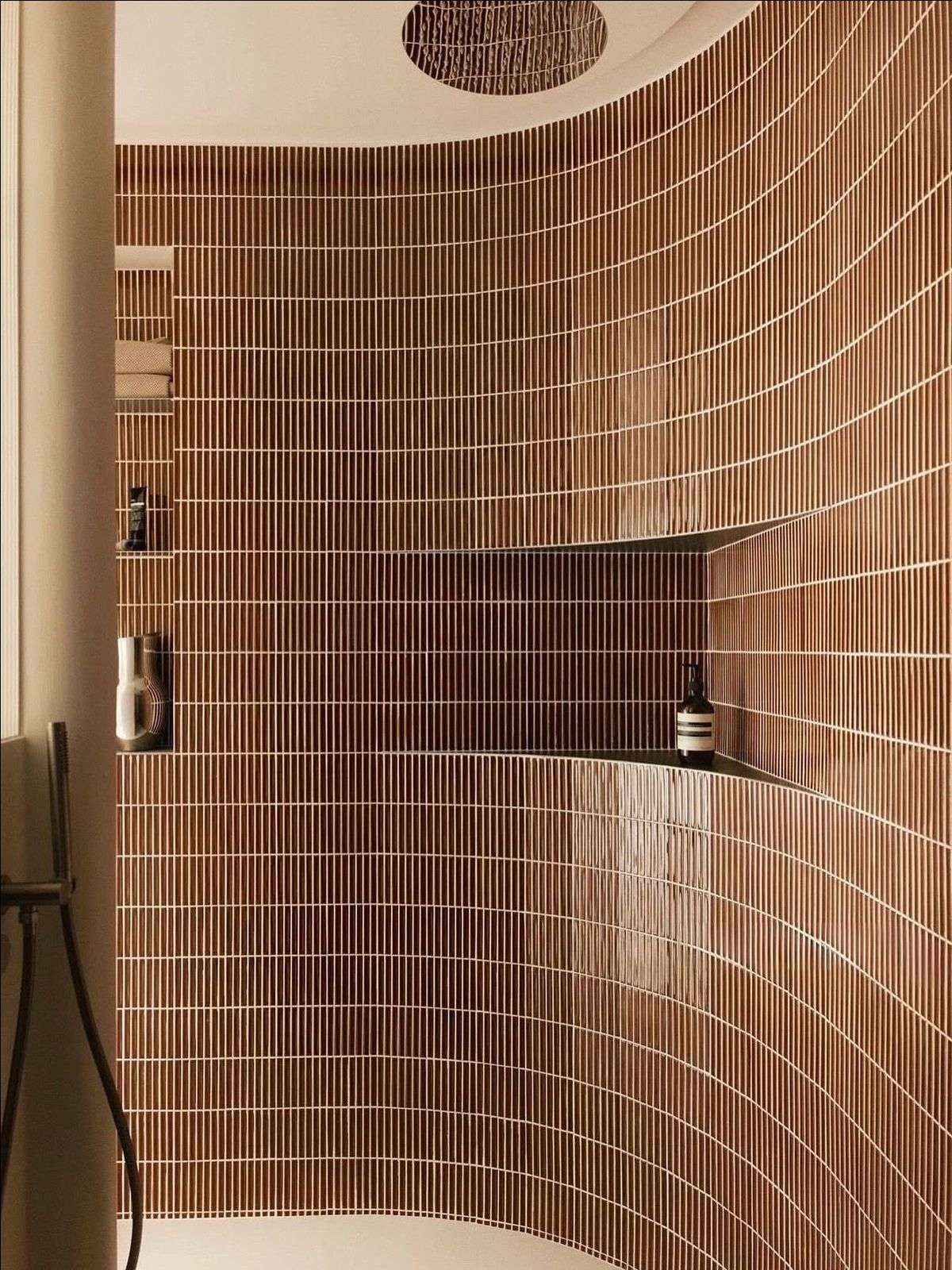
Handoff and Build: What Happens After the Package Is Delivered
When the design package is handed over, my official scope is complete.
You take it to your contractor, get your quotes, and move into the build. That's your project to run - and most clients are more ready for it than they expect, because the spec package does the heavy lifting.
What I don't do is disappear. If something comes up during construction - a question about a substitution, a tile that's been discontinued, an unexpected site condition that changes the plan - I'm available. Some designers close the file at handoff. I stay in the loop because issues during a build are normal, and a five-minute conversation with your designer is a lot cheaper than guessing.
It's a different model from full project management, and it's worth understanding the distinction before you hire. You're not getting a site supervisor. You're getting a designer who stays reachable and invested in the outcome.
Photo Source: Pinterest.com
Timeline: What's Realistic in 2026
A full Vancouver bathroom renovation runs 10–16 weeks start to finish. Design and planning is 3–5 weeks. If you're in a strata, add 4–6 weeks for alteration agreement approval before any work starts.
Materials take 2–8 weeks, depending on selections. Construction is 3–5 weeks for a standard bathroom. Build in buffer - older Vancouver homes almost always have something behind the walls.
FAQ: Working with a Vancouver Interior Designer on a Bathroom Reno
Q: Do I need a designer, or can I just hire a contractor?
A contractor builds what's on the drawings - they don't create them or catch design problems before demo. If you have a fully spec'd design and all materials selected, a contractor can execute it. Starting from an idea and a budget? A designer gets you to a better outcome for the same or lower total spend.
Q: How do I know which type of designer is right for me?
It comes down to how involved you want to be and whether you want help through construction. Design-only gives you direction and a spec package - you manage the build. Full-service means I stay in through the end. If you're time-poor, in a strata, or working with an older home, full-service is usually worth it.
Q: What's the difference between a designer and a decorator for a bathroom reno?
A decorator works with what exists. A designer can move walls, relocate plumbing, produce construction drawings, and coordinate the build. If anything structural or technical is changing, you need a designer.
Q: Can a designer help with a small condo bathroom?
Especially yes. Small bathrooms are where every decision has a ripple effect - the margin for error is zero. A well-designed 50 sq ft bathroom beats a poorly planned 80 sq ft one every time.
—Samena, HART HOUS
Ready to Start Planning?
A discovery call is the right first move - no commitment, no pressure.
We'll talk through your project, your budget, and whether HART HOUS is the right fit.
HART HOUS offers full-service bathroom and kitchen renovations in Vancouver, plus flat-fee e-design packages for clients who want professional design direction on their own timeline. Book a call or explore e-design to find what works for you.
Book a discovery call with HART HOUS