Your contractor is not your enemy. They’re just also not your interior designer, architect, space planner, mind reader, and emotional support animal… all in one.
In Vancouver, where a “simple” kitchen and bathroom renovation can quietly turn into a six-figure project, expecting one person to do all the things is a fast way to get a layout you tolerate instead of a home you actually love.
Let’s talk about how contractors and designers work together - without throwing anyone under the bus.
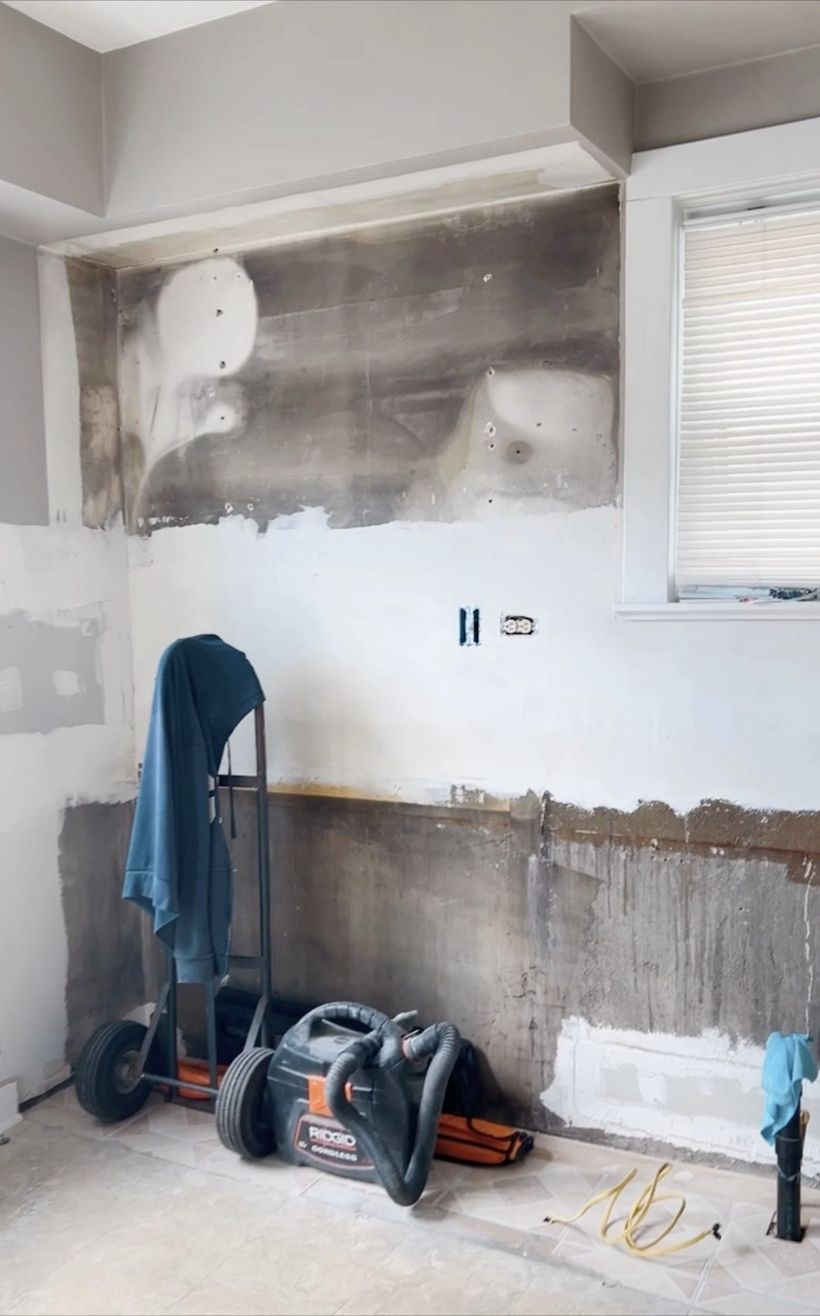
Does your contractor really need to be your designer?
Short answer: no. They can absolutely be involved in design decisions, but that doesn’t make them your entire design department.
A contractor’s job is to price, schedule, coordinate trades, manage site conditions, and get your project built safely and to code. A designer’s job is to plan how your kitchen and bathrooms function, look, and feel - every cabinet, outlet, light, tile, and tap - before anyone swings a hammer.
Some contractors have a great eye and offer really thoughtful suggestions. Some have in-house designers. Some don’t. The problem isn’t contractors; it’s the assumption that “design will just happen” along the way.
On a big Vancouver-area renovation - kitchen, at least one bathroom, maybe more - you’re not just picking countertops. You’re deciding where plumbing moves, how your family will move through the space, and how much storage you’ll have for the next decade. That’s a lot to ask someone to improvise between site meetings.
Photos Source: Pinterest.com
What do contractors and designers each actually do on a renovation?
Think of it like this: the designer decides what you’re building; the contractor decides how to build it.
A designer (or design firm) will usually:
create floor plans and layouts that make sense for your house or condo
help you choose finishes, fixtures, and materials that work for your budget and lifestyle
plan lighting, storage, and flow so your kitchen and bathrooms don’t just look good for photos, they work in February when everyone’s wet, tired, and home by 4:30
Your contractor will then:
price the work based on those drawings and specifications
schedule trades, order rough materials, and coordinate inspections
flag constructability issues early (“We can’t move that wall without X” or “That vent has nowhere to go in this condo stack”)
When you skip the design side - or expect your contractor to “just handle it” - you’re asking them to do extra unpaid work and somehow read your mind. That’s where misunderstandings creep in: you pictured one thing, they pictured something else, and the gap shows up in tile, millwork, and change orders.
The best projects in Vancouver almost always have both: a clear design plan and a contractor who respects it and helps fine-tune it on site.
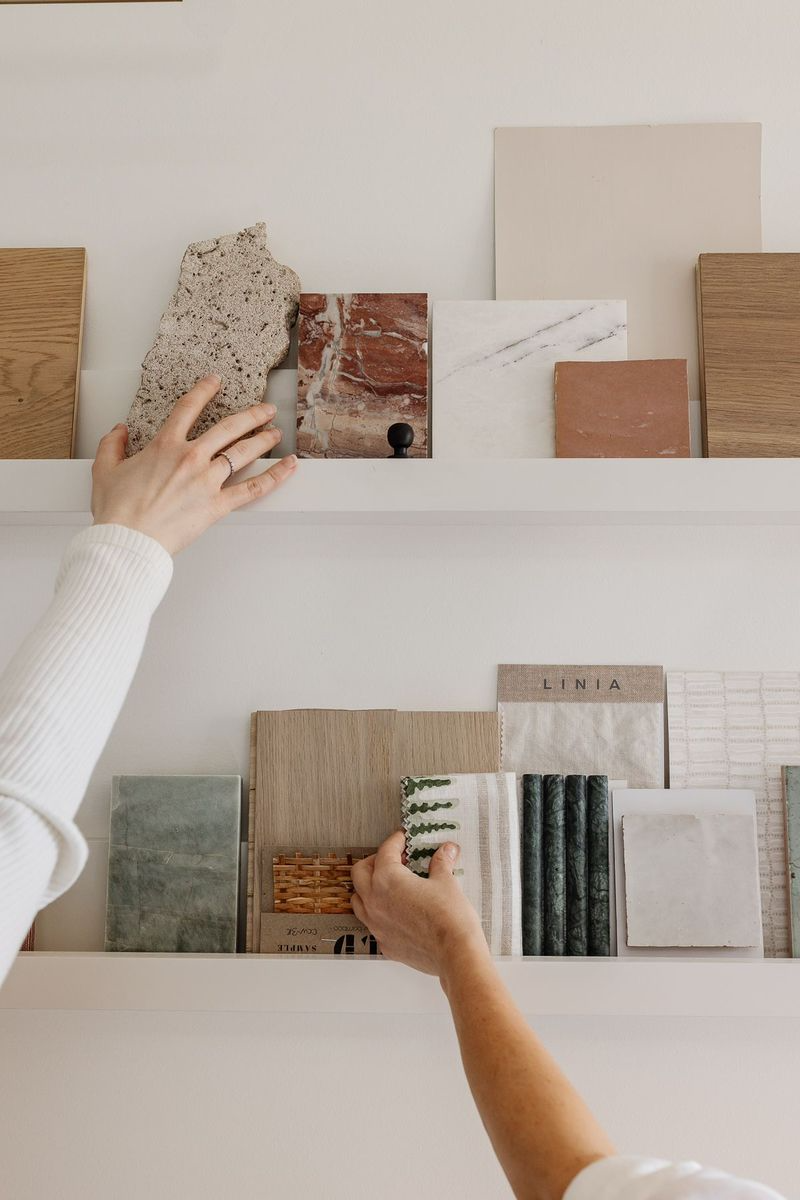
Why does design before demo matter so much in Vancouver?
In older Vancouver and North Shore houses, nothing is straight, walls hide ancient surprises, and behind-the-walls upgrades are nearly always part of the story. In condos, you’re juggling strata rules, neighbours, limited plumbing stacks, and venting realities. On the Island, you’re adding humidity and coastal weather to the mix.
If you don’t design first, you’re making decisions in the most expensive, high-pressure moment: mid-reno, with trades on site and a half-demolished kitchen staring at you.
Good design work before demo means:
you’ve already thought through where walls, doors, and plumbing should go
your kitchen and bathrooms are planned together, not as disconnected rooms
your contractor can price the work properly, instead of guessing at allowances and hoping you don’t hate the final number
It also means you can make smart calls around permits and strata approvals early, instead of hearing “We can’t actually move that” once the tiles are off and everyone’s stressed.
In a market where square footage is precious and renos are expensive, “we’ll figure it out later” is not a plan.
It’s a gamble.
Photo Source: Pinterest.com
What actually goes wrong when you rely on “free design”?
“Free design” usually means someone is squeezing design decisions into evenings, job-site chats, and quick emails - on top of their actual job.
No one’s being evil; it’s just not the same as having a dedicated design process.
Common fallout:
compromised layouts that work “okay” but miss big opportunities - like gaining a pantry wall, adding a powder room, or improving sightlines
fixture and finish chaos, where choices get made last-minute based on whatever is in stock, not what actually supports the design
budget drift, because no one nailed down the full scope before quoting, so you meet your true costs one change order at a time
In Vancouver, this can look like:
an island crammed into a condo because “everyone wants an island,” even though it ruins circulation
bathrooms upgraded only on the surface, while moisture problems, weak venting, or bad layouts stay exactly the same
lighting that’s more “operating room” than “home,” because no one designed layers or thought about gloomy winter afternoons
Could a contractor with a strong design-forward mindset avoid some of this? Absolutely. But even then, the magic happens when there’s a clear design phase, not when everything is negotiated in the aisle at the plumbing showroom.
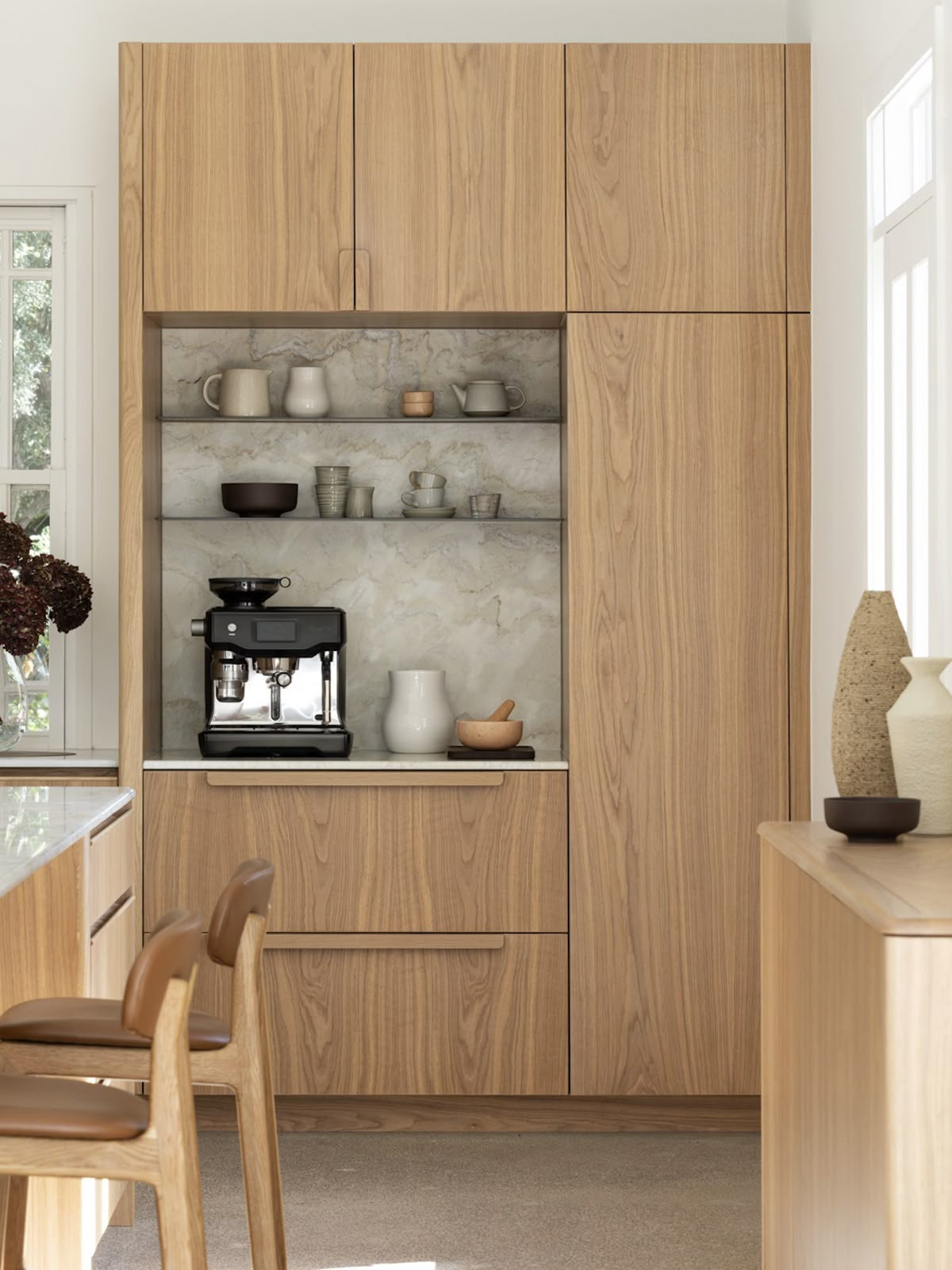
How can designers and contractors work together without blowing your budget?
This part is key: hiring a designer is not about layering fees on top of fees until your budget explodes. Done right, it often saves money and sanity.
A healthy setup looks like:
You work with a designer (or design-build team) to map out layouts, finishes, and priorities.
Your contractor gives feedback on cost, structure, and feasibility while things are still on paper.
The final plan reflects both: your needs and style, and what actually makes sense to build in your specific home.
That collaboration:
reduces rework and “we’ll just move that again” moments
lets your contractor show up to the site with a clear roadmap
keeps trades from standing around waiting for decisions that haven’t been made
If you’re working with a contractor who has an in-house designer or trusted design partner, you’re already halfway there. If not, you can bring your own designer on board and introduce them early so everyone is aligned from day one.
Most good contractors love well-thought-out plans. It makes their job easier, the project smoother, and the final photos better for their portfolio. Everybody wins.
Photo Source: Longwood House by Cantilever Interiors
FAQ
Q1: Do I really need a designer if my contractor has “a good eye”?
A contractor with a good eye is a gift - but it’s not a substitute for a full design process. A good eye might help you avoid an awkward tile choice; a proper design process rethinks layouts, storage, lighting, and flow for your whole home. The bigger the project, the more important that difference becomes.
Q2: Will hiring a designer make my renovation more expensive?
You’ll see a line item for design, yes. But often that cost is offset by fewer mistakes, fewer changes mid-project, better pricing from clear specifications, and a result you don’t feel like redoing in five years. In an expensive market like Vancouver, design is usually a form of risk management, not a luxury extra.
Q3: When should I bring a designer or design–build team into the process?
Ideally, before you get contractor quotes. That’s when you’re making the biggest decisions about layout, scope, and finishes. Designers can also help you prioritize if your wish list is bigger than your budget, so contractors aren’t asked to price three different imaginary houses.
Final Thought
Your contractor is not the villain of your renovation story. They’re the person who makes your renovation real.
But asking them to be your designer, space planner, therapist, and decision factory on top of that is a lot - for them and for you.
If you’re planning a major kitchen and bathroom renovation in Vancouver, give yourself a team that can actually support the scale of what you’re doing: thoughtful design up front, a solid contractor to build it, and a plan that respects your budget, your lifestyle, and your home.
Free design is rarely free. Clear design, built well, is where the value is.
Ready to explore your own project? Check out our Vancouver kitchen renovation services for design, planning and full-scope project support.